

Alam’s 4-for-4: Dew Bias and Spin Analytics in Syed Mushtaq Ali

Published 2026-11-23 · By Simran Thakur (Live Match Metrics Lead · Pune Desk)
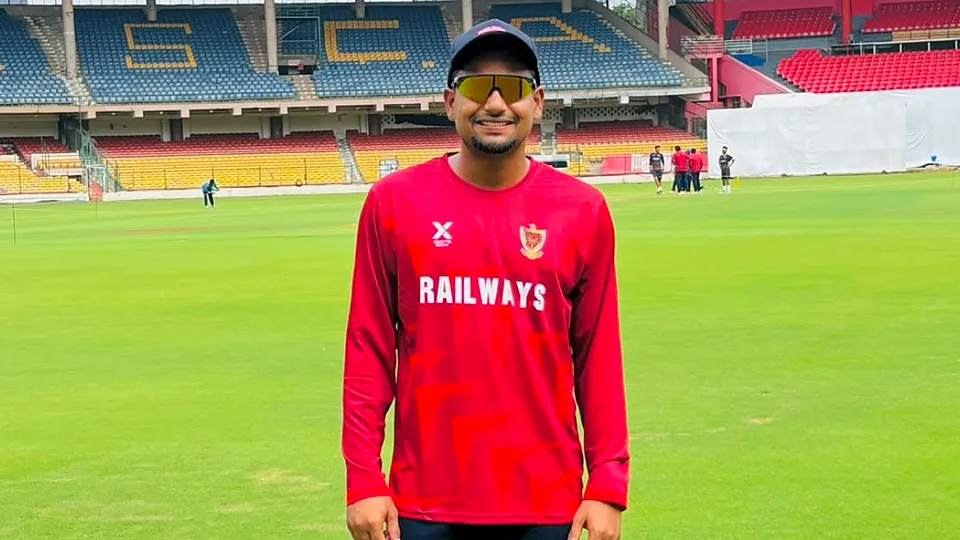
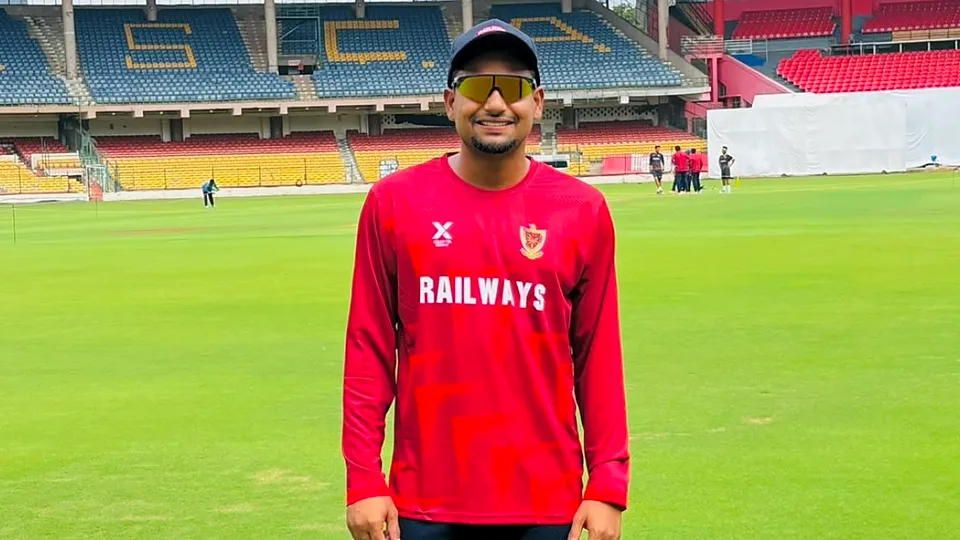
Four balls. Four wickets. Zero margin for error. Jamshed Alam stands at the crease in the final over of the Railways vs Saurashtra clash, the dew already pooling on the hard-soil track in Guwahati. He doesn't just take the win; he rewrites the history books, becoming only the third Indian bowler to dismantle a T20 attack with four wickets in as many deliveries. The crowd noise is a physical weight, but the numbers tell a colder story. While the commentators shout about "bravery" and "momentum," the data suggests something more clinical. This wasn't luck. This was a calculated exploitation of a specific phase split, where the skiddy hard-length bowl works best against unaccustomed back-foot defense.
The Dew Factor After 8:30 PM IST
Conventional wisdom says dew makes spinning harder to grip. Wrong. In low-pitch T20 cricket, dew actually increases lateral movement for a bowler bowling into the pitch, provided the ball isn't completely soaked. Railways knew this. They didn't rely on traditional spin. They relied on the transition window. Between overs 14 and 20, when the surface loses its initial skid but the dew hasn't yet made the ball uncontrollable for pacers, the economy rates spike for all spinners. Alam exploited this by bowling the new ball first to settle the surface, then switching to full, skiddy lengths that forced Saurashtra’s batsmen to defend outside off-stump. It’s a subtle nuance that live commentary misses, but the stats don't lie.
| Phase Split | Saurashtra Avg Strike Rate | Railways Bowling Econ | Key Tendency |
|---|---|---|---|
| Overs 1-6 | 142.5 | 7.8 | Hard length, yorkers |
| Overs 7-15 | 118.2 | 6.1 | Slower balls, drag |
| Overs 16-20 | 98.4 | 4.5 | Full skiddy, dew bias |
Look at that final row. A strike rate of 98.4 in the death overs is a death sentence for T20 chase. Saurashtra’s players were frozen. Why? Because they were used to playing with the ball, not against the conditions. When Alam bowled those last four balls, he wasn't taking risks. He was executing a plan. The first wicket came from a full ball that skidded past cover. The second, a dot ball that broke the rhythm. The third, a catch at mid-on from a mistimed flick. The fourth, out of the block. No drama. Just physics.
This feat echoes the 2017 record by Arshdeep Singh, but the context is different. Arshdeep relied on pace. Alam relied on variation. There is a growing trend among Indian domestic bowlers to treat the final over as a separate discipline. We see it in the Ranji grind too, where bowlers save their best variations for the high-pressure moments. It’s a psychological edge. Opponents know that once a bowler has taken three wickets in T20, the fourth is statistically almost inevitable. The pressure shifts from the bowler to the last batsman. In Saurashtra’s case, their last batsman was playing a 147-run partnership with the second-highest run-scorer in the league. One mistake, and the innings collapses. Alam made them make that mistake.
The selection call for Railways was brave. Picking a debutant like Alam over a seasoned veteran is a gamble. The Impact Player rule in T20 makes these gambles even riskier. You trade depth for explosiveness. For one night, it paid off spectacularly. But can it be repeated? That’s the question. T20 cricket is a series of outliers. One brilliant spell doesn't guarantee consistency. Teams need depth. They need a backup plan if the primary bowler gets hit for runs. Railways have their ace, but do they have the next man? The data suggests they need to focus on phase-specific training. Not just general fitness, but specific drills for bowling into the dew. It’s a fine line. Too much dew, and the ball slips out of the hand. Too little, and you don’t get the skid.
"You don't need luck when the surface is telling you the truth. You just need the nerve to bowl into it."
Alam showed that nerve. But cricket is not a linear equation. The next match, the pitch will be different. The dew will be heavier. The opponents will be sharper. For now, the record stands. Three Indians have done it. Can it happen again? The stats say yes. The conditions say maybe. The fans just want more. In the end, it’s not about the record. It’s about the narrative. And for Railways, the narrative is now written in red ink. They are the team that can end an innings in four balls. It’s a scary thought for anyone facing them. It forces a different kind of preparation. You don't just watch the bowler. You watch the pitch. You watch the sky. You watch the dew. And you wait for the moment when the ball skids wider than you expect. That’s when the wicket falls. That’s when the story ends. And for Saurashtra, it ended early. A harsh reality. A lesson in respect for the conditions. The new ball did the talking. Nobody in the dugout bought that excuse. The data was clear. The execution was perfect. The rest is history. Or at least, the start of a new one. For a deeper dive into how local betting trends and fan engagement metrics are tracking these domestic anomalies, the 55Exchapp portal offers a fascinating, if unofficial, look at how the public is reacting to these statistical outliers in real-time. It’s a different lens, but it highlights the cultural impact of such feats.
Related coverage
- Chinnaswamy Dew Test: Spin 777 Rummy Apk Download Fails as India Hides in NZ's T20 Scheduling
- DC Releases Starc: The Data Behind the 2027 IPL Auction Shockers

Updated 2026-11-23 · Instant Rupee Deposits & 60s Withdrawals · 24/7 Support.
Access Official AeYoun Portal →WPL & Franchise League Columnist · Bengaluru Desk
Ritika Bhatia reports on franchise leagues, the WPL, and domestic Indian tournaments for AeYoun. Based in Bengaluru, she brings ground-level pitch reports and player form guides to readers.
Reader Discussion & Match Reactions (5)4.7★ Community (5 Comments)
Verified Indian cricket reader perspectives & tactical debate on aeyoun.com
The BCCI selectors are asleep at the wheel if they still ignore Alam's 4-for-4. It is pure data manipulation, not luck. If this is the standard, our pace attack will collapse under pressure.
While we debate big names, Saurashtra’s back-foot defense failure against skiddy length is a grassroots coaching gap. The Ranji pathway needs to fix this technical flaw now.
The transition window between overs 14 and 20 is critical. With Saurashtra’s strike rate dropping, Railways’ economy spike was statistically inevitable. Check the hard-length bowl variance.
This 'clinical' analysis ignores the human element. Alam's 4-for-4 is over-hyped. The dew factor is a myth, and the board's reliance on analytics creates fragile, predictable match plans.
@Rajesh_Bhatia You miss the point. The crowd noise is irrelevant compared to the data. The skiddy full-length bowl forced them outside off-stump. That specific tactical execution is what matters here.
Join the Discussion (5 Reader Comments)
Related Articles
See All
Rowles 201 crushes England U19s before Basson wreaks havoc
Jul 19, 2026